Candle Warmer vs Hot Plate for Simmer Pots: Which Works Best?

Updated: Sep 12
For a small, gentle home-fragrance setup, a candle warmer plate is usually the better choice. For a larger vessel, faster heating and stronger scent, an electric hot plate offers more control. The important detail is that a candle warmer lamp and a candle warmer plate are not the same appliance.
This guide compares a purpose-built candle warming plate with an electric hot plate, including vessel size, heat control, scent reach and everyday safety. Neither option should be left unattended, and the appliance instructions always take priority.
This post contains affiliate links. As an Amazon Associate, I earn from qualifying purchases.
The Short Answer: Candle Warmer Plate or Hot Plate?
Choose a candle warmer plate for a small heat-safe vessel, gradual fragrance and one-room use. It is compact and simple, but its lower heat means the water needs checking and the scent will usually remain subtle.
Choose an electric hot plate for a larger heat-safe pan or bowl, adjustable heat and a stronger fragrance. It can heat water much more quickly, but it requires closer supervision and more clear space around the appliance.
If you are choosing equipment now, compare this purpose-built candle warmer plate with this compact electric hot plate. Check the dimensions, permitted vessels and operating instructions before ordering.
First, a Candle Warmer Lamp Is Not a Warming Plate
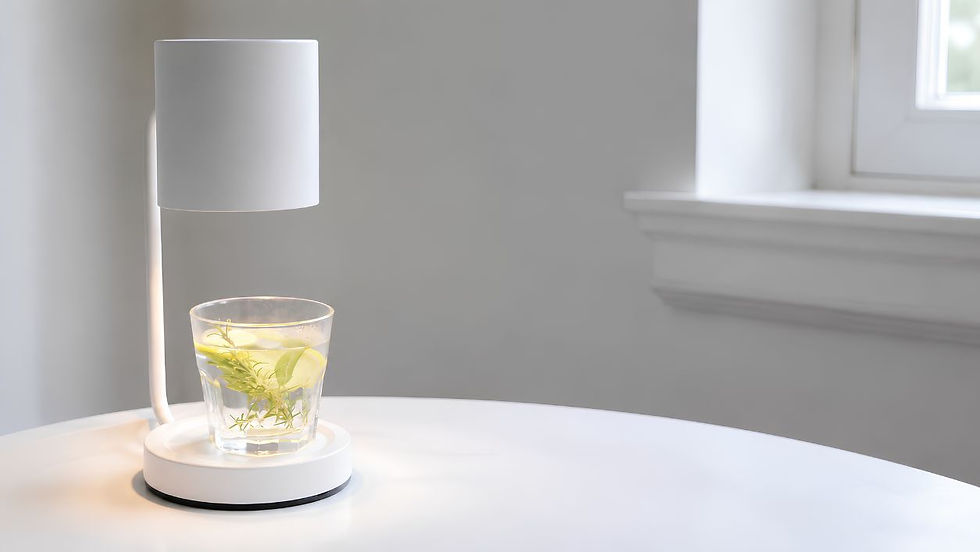
A lamp-style candle warmer directs heat downwards from a bulb onto the top of a candle. A candle warmer plate provides heat from below through a flat base. That difference matters when water and botanicals are involved.
If you want to melt scented wax rather than warm water and botanicals, choose a purpose-built wax melt warmer instead. It is designed for wax and should not be repurposed as a water-based simmer pot unless its manufacturer explicitly permits that use.
The photograph above shows a lamp-style warmer. It is useful for illustrating the difference, but it should not be treated as proof that every lamp warmer can safely heat a glass or bowl of water. Unless the manufacturer specifically permits that use, keep a lamp warmer for candles and choose a plate designed to support a vessel from below.
For candle-only use, read Candle Warmer vs Burning a Candle.
Candle Warmer Plate vs Electric Hot Plate
Feature | Candle warmer plate | Electric hot plate |
Heat | Gentle, usually fixed or limited | Stronger and often adjustable |
Best vessel | Small, flat-bottomed heat-safe vessel | Larger heat-safe pan or bowl |
Scent reach | Subtle; best for one room | Stronger; better for larger spaces |
Water behaviour | Warms slowly; may not visibly simmer | Can reach a simmer or boil |
Supervision | Required | Required, with closer heat management |
Best use | Quiet everyday fragrance | Larger or more aromatic blends |
The practical difference is control. A warming plate offers gentle, steady heat. A hot plate behaves more like a portable hob, so it can create a more noticeable fragrance but also allows water to evaporate faster.
When a Candle Warmer Plate Works Best
A candle warmer plate suits a bedside area, reading corner, home office or small living space where you want a quiet background fragrance. It works best with a modest amount of water and light botanicals such as citrus peel, rosemary, lavender or whole cloves.
Look for a model with a stable, level surface and enough diameter for the vessel to sit fully on the plate. The verified candle warmer plate is the relevant format for this method; it should not be confused with a coffee warmer or lamp-style candle warmer.
Do not expect the visual bubbling of a stovetop simmer pot. A plate may simply warm the water enough to release a soft aroma. That can be an advantage when you want something restrained rather than a whole-house scent.

When an Electric Hot Plate Works Best
An electric hot plate is more suitable when you want to use a deeper vessel, warm more water or release fragrance from robust ingredients such as cinnamon sticks, woody herbs and dried citrus. Adjustable heat makes it easier to bring the water close to a simmer and then reduce the temperature.
For a more decorative setup, a small glass simmer pot can work well with a compatible heat source. Always check that the glass vessel is approved for the appliance and temperature you intend to use.
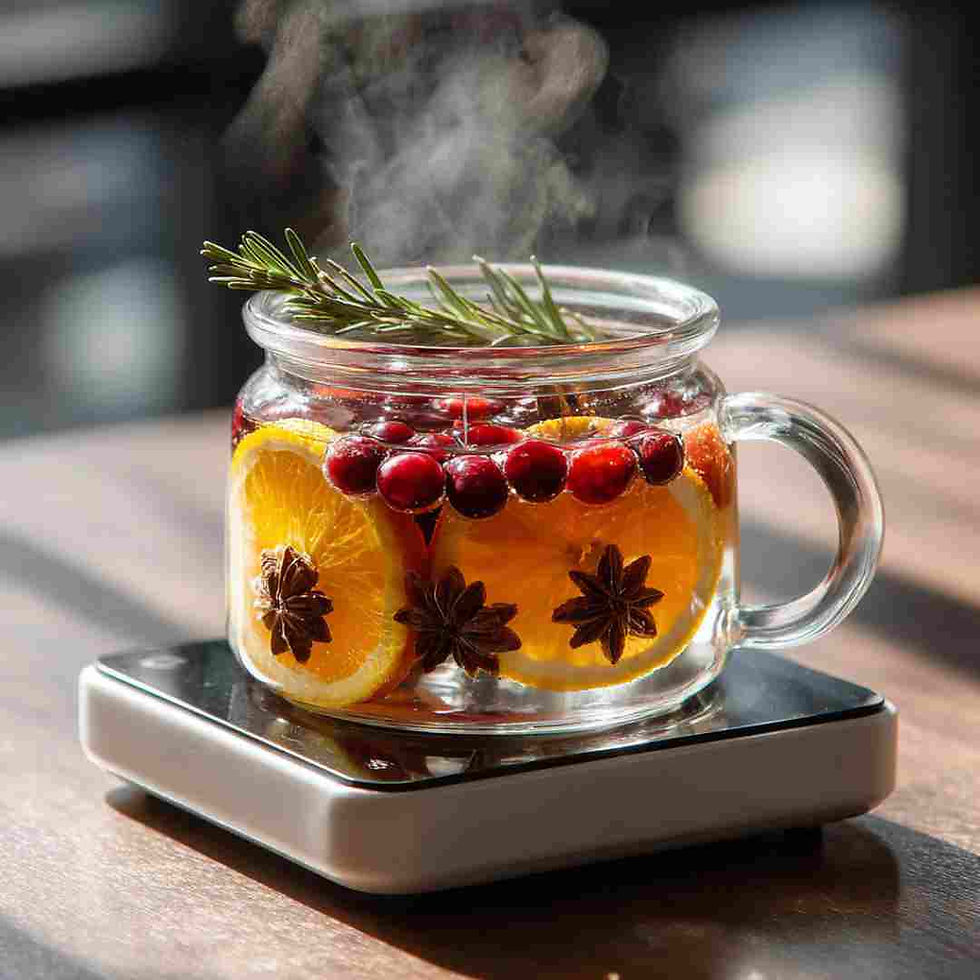
The extra power also means extra responsibility. Keep the electric hot plate on a stable, heat-resistant surface, allow space around it and remain nearby. Once the water is warm, use the lowest setting that maintains the fragrance you want.
Which One Should You Choose?
Choose a candle warmer plate for a compact setup, gentle fragrance and a small room.
Choose an electric hot plate for adjustable heat, a larger vessel and stronger scent.
Choose neither if the appliance instructions do not permit the vessel or intended use.
Use a conventional stovetop simmer pot when you already have a suitable pan and can supervise it closely.
Many readers do not need both. Start with the option that matches the vessel you already own and the size of the space you want to fragrance.
How to Use a Warming Plate for a Small Botanical Blend
This is deliberately a small warming method rather than a traditional rolling simmer. If your appliance permits this use:
Select a heat-resistant, flat-bottomed vessel that fits entirely on the plate.
Add enough water to keep the botanicals comfortably submerged.
Add a small amount of citrus peel, whole spice or fresh or dried herbs.
Place the vessel centrally on the cold plate before switching it on.
Stay nearby and check the water level regularly.
Switch off and unplug the appliance before the vessel runs dry.
Allow the plate, vessel and liquid to cool before moving or cleaning them.
For a longer practical explanation, see Can You Use a Candle Warmer for a Simmer Pot?. This comparison page focuses on choosing the appliance; the separate guide covers the method in more detail.
Ingredients That Work Well with Gentle Heat

Gentle heat works best with ingredients that release fragrance readily. Try lemon or orange peel with rosemary, apple peel with a small cinnamon stick, or lavender with a strip of lemon zest. Keep quantities small so the vessel remains easy to monitor.
Essential oils are not necessary for a botanical water blend. They do not mix evenly with water and can leave concentrated residue on the vessel. Resins, waxes and thick or sticky materials are also better kept out of a water-based warming setup.
For seasonal combinations, explore five easy simmer-pot recipes or the autumn and Christmas coffee-warmer recipes, while matching every recipe to the appliance you actually use.
Safety and Cleaning
Follow the appliance and vessel manufacturers’ instructions.
Use a stable, heat-resistant surface away from edges, fabrics and draughts.
Keep hot appliances, cords and liquid away from children and pets.
Never leave either appliance running unattended or while you sleep.
Do not allow the vessel to run dry.
Do not move the appliance or vessel while the liquid is hot.
Stop using cracked, chipped, warped or unstable vessels.
Switch off, unplug and cool completely before cleaning.
Wipe the cooled plate according to its instructions. Wash the separate vessel with mild washing-up liquid and rinse away any botanical residue. Avoid immersing the electrical appliance in water.
The Verdict
A candle warmer plate is the better match for small, slow fragrance in one room. An electric hot plate is better for larger vessels and stronger scent, provided you actively manage the heat. The best option is not the one with the highest temperature; it is the appliance whose intended use, vessel requirements and output fit your routine.
For a compact setup, consider the candle warmer plate. For greater heat control, consider the electric hot plate.
Frequently Asked Questions
1. Can a candle warmer plate heat a simmer pot?
It can gently warm a small amount of water when the appliance instructions permit an appropriate heat-resistant vessel. It may not create a visible simmer, and it must still be supervised.
2. Is a candle warmer lamp the same as a warming plate?
No. A lamp warms a candle from above, while a plate heats a vessel from below. Do not place a bowl beneath a lamp unless the manufacturer explicitly permits that use.
3. Is a hot plate better for a large room?
Usually. Its stronger, adjustable heat can release fragrance more quickly from a larger volume of water, but it also needs closer monitoring.
4. Can I leave a candle warmer plate unattended?
No. Removing the flame does not remove the risks associated with hot liquid, hot surfaces, electricity or a vessel running dry.
5. What can I put in a small botanical warming blend?
Use water with modest quantities of citrus peel, whole spices or herbs. Avoid undiluted essential oils, waxes, resins and sticky ingredients in a water-based vessel.


Comments