How to Make Fruit and Vegetable Powders (And How to Use Them)

If you’ve ever found yourself with a drawer of limp carrots, a bowl of overripe fruit or a pile of citrus peel left after baking, fruit and vegetable powders are a surprisingly simple way to turn those leftovers into something genuinely useful.
Making your own powders is not about perfection or specialist equipment. It’s about slowing down, reducing waste and creating ingredients you can use again and again — whether that’s in cooking, drinks or creative projects.

This guide walks you through what fruit and vegetable powders are, how to make them at home, how to use them, and the key do’s and don’ts to get the best results.
What Are Fruit and Vegetable Powders?
Fruit and vegetable powders are simply fresh produce that has been fully dried and finely ground. Once the moisture is removed, the flavour, colour and aroma become concentrated, and the ingredient becomes shelf-stable when stored correctly.
Unlike shop-bought powders, homemade versions contain no fillers, preservatives or anti-caking agents. They reflect exactly what you put in — which is part of their appeal.
Why Make Your Own?
Making fruit and vegetable powders at home has several practical benefits:
Less food waste — ideal for using peel, trimmings or surplus produce
Longer shelf life when fully dried and stored well
Natural colour and flavour with no artificial additives
Versatile for cooking, baking, drinks and crafts
Minimal storage space compared to fresh produce
It’s a simple habit that fits naturally into a more mindful, resourceful way of using your kitchen.
Best Fruits and Vegetables for Homemade Powders
Not all produce behaves the same once dried. Some ingredients are forgiving and long-lasting, while others are more delicate and best made in small batches.
Reliable, Long-Lasting Options
Carrot
Beetroot
Spinach or kale
Ginger
Ginger is especially effective. When sliced very thin and dried thoroughly, it keeps well and has a naturally long shelf life. Once powdered, the flavour becomes much more concentrated than fresh ginger, so only small amounts are needed.
More Delicate Options
Strawberries and other berries
Apples and pears
Tomatoes
Strawberries can be used, but they require extra care. Their natural sugars mean they absorb moisture easily, clump quickly and don’t store as long as vegetable powders. Strawberry powder is best treated as a short-term ingredient for smoothies, yoghurt, icing or gifting rather than long-term storage.
A Simple Rule of Thumb
Roots and vegetables tend to be easier to dry and store
Fruits are more fragile and best made in small quantities
How to Make Fruit and Vegetable Powders
1. Prepare the Produce
Wash thoroughly and remove any damaged or bruised areas. Peels can be used if they’re clean and untreated.
2. Slice Thinly
Cut into thin, even slices to ensure consistent drying and prevent moisture being trapped.

3. Dry Completely
You can dry produce using an oven, dehydrator or air-drying (where suitable).
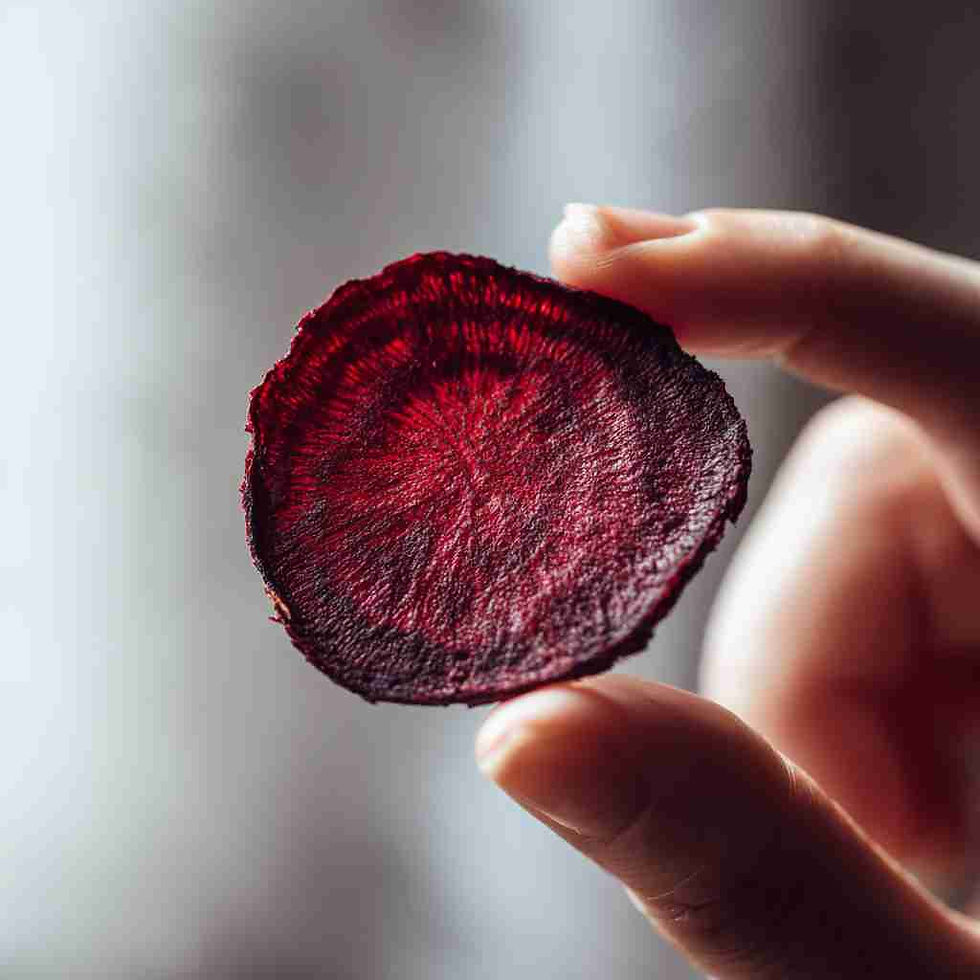
Oven drying guidelines:
Set the oven to 50–60°C (120–140°F)
Use the fan setting if available
Leave the oven door slightly ajar to allow moisture to escape
Turn slices occasionally for even drying
Drying time can range from 2 to 6 hours, depending on thickness and moisture content. The produce should feel fully crisp, not leathery.
4. Cool Before Grinding
Allow everything to cool completely. Grinding warm produce can introduce condensation, which leads to clumping.
5. Grind and Sieve
Use a blender, spice grinder or food processor. Sieve the powder if you want a finer, more even texture.
How to Store Homemade Powders
Use airtight glass jars
Store in a cool, dark, dry place
Label with ingredient and date
Keep moisture away at all times
Vegetable powders can last several months when dried thoroughly. Fruit powders usually have a shorter shelf life and are best used within a few weeks.
How to Use Fruit and Vegetable Powders
In Food and Drink
Smoothies and lattes
Baking such as cakes, biscuits and bread
Soups, sauces and seasoning blends
Icing, yoghurt and frosting
Pasta dough, pancakes or flatbreads
For more ideas read. Colourful Lattes for Every Mood
Beyond the Kitchen
Natural colouring for crafts
Paper, clay or salt-based DIY projects
Thoughtful handmade gifts
Read more: How to Naturally Colour Air-Dried Clay
Do’s and Don’ts
Do
Dry produce fully before grinding
Use clean, dry equipment
Store powders in airtight containers
Make small batches until you know what you’ll use
Don’t
Grind produce that still feels warm or flexible
Store powders in plastic or damp cupboards
Mix fresh powder with older batches
Assume fruit and vegetable powders behave the same
Common Mistakes (And How to Avoid Them)
Clumping – caused by moisture; re-dry or discard
Faded colour – drying at too high a temperature or storing in light
Bitter flavour – over-drying or slicing too thick
Short shelf life – making large batches of fruit powders
Final Thoughts
Making fruit and vegetable powders is a small, satisfying way to reduce waste and make better use of what you already have. Start with one ingredient, work in small batches and let it become part of a slower, more intentional way of using your kitchen.
If you want to build on this, the next natural step is to focus on one ingredient at a time — or explore how these powders can be used beyond food, in crafts and creative projects.
How to Make Fruit and Vegetable Powders FAQs
1. Are homemade fruit and vegetable powders safe to use?
Yes, provided the produce is fully dried and stored correctly. Moisture is the main cause of spoilage.
2. Do homemade powders still contain nutrients?
Some heat-sensitive nutrients are reduced, but fibre, colour compounds and flavour remain concentrated.
3. Can I mix different powders together?
Yes, but only mix powders with similar moisture levels and shelf lives.
4. How fine should the powder be?
That depends on use. Fine powders suit drinks and baking, while coarser powders work well in savoury dishes.
5. Why does fruit powder clump more than vegetable powder?
Fruit contains natural sugars that attract moisture, making it more prone to clumping and shorter storage.

Comments