DIY Wax Fire Starters with Dried Lavender

Updated: Sep 12
There is something especially satisfying about turning a small bundle of dried botanicals into a practical fire-lighting aid. These moulded wax fire starters use just a shallow base of wax to hold dried lavender together, creating a neat handmade starter that is easy to store and lovely to give as a seasonal gift.
The important difference from candle making is that you are not filling the mould. The mould is simply used to shape a small wax “foot” around the bottom of the dried stems. That small amount of wax helps the bundle catch and keeps the flame going long enough to ignite dry kindling.
This post contains affiliate links. As an Amazon Associate, I earn from qualifying purchases.

What Are Moulded Wax Fire Starters?
Moulded wax fire starters are small botanical bundles with their lower stems set into a shallow layer of wax. Once the wax has hardened, the silicone mould peels away and leaves a compact base that holds the bundle together.
They are designed to be used as fire starters, not as decorative candles. Keep the wax base deliberately small and use only completely dry natural materials.
What You’ll Need
Silicone candle moulds – use only the bottom of the mould to create a shallow wax base.
Beeswax – a firm natural wax that works well for a compact base.
Soy wax – a useful vegan-friendly wax alternative.
Dried lavender – use fully dried stems for the bundle; loose dried lavender can be added sparingly for fragrance.
Organic hemp wick or natural twine – for tying the stems together and, if you like, leaving a short tail to light.
A heatproof jug or double boiler for melting the wax
Scissors, a spoon and something to support the botanical bundle while the wax sets

How to Make Wax Fire Starters with Dried Lavender
Dry the lavender completely. Fresh or partly dried stems contain moisture and are not suitable for this project. The stems should feel dry and crisp before you begin.
Make a small bundle. Gather a modest handful of lavender stems and tie them securely near the base with natural twine or hemp wick. Keep the bundle slim enough to stand comfortably in your chosen mould.
Melt the wax gently. Use a double boiler or a heatproof jug set in hot water. Melt only as much wax as you need for the bases and keep water away from the wax.
Pour a shallow wax base. Pour roughly 1–2 cm of wax into the bottom of the silicone mould, or less for a smaller shape. Do not fill the candle mould: the aim is a small fire-starter base, not a full-size wax candle.
Let the wax begin to thicken. Wait briefly until the surface starts to look slightly opaque or more viscous. This helps the stems stay upright rather than sinking or drifting.
Insert the lavender bundle. Press the bottom of the stems gently into the wax. Hold or prop the bundle upright until the wax is firm enough to support it.
Allow it to harden fully. Once completely cool, peel the silicone mould away from the wax rather than pulling hard on the stems. Store the finished fire starters somewhere cool and dry until needed.
How to Use Them
Place one fire starter beneath dry kindling in a suitable solid-fuel fireplace, wood burner, chiminea or outdoor fire pit. Position it so the dry stems or a short twine tail are easy to reach, then light that exposed material. The botanicals catch first and the small wax base helps sustain the flame while the kindling begins to burn.
Safety Tips
Use only fully dried botanicals. Moist plant material can smoke excessively and is harder to ignite.
Keep the wax base small. More wax does not automatically make a better fire starter and can create unnecessary melted wax.
Avoid glitter, plastics, synthetic ribbons, coated paper and chemically treated plant materials.
Use fire starters only in fireplaces, stoves or outdoor fires designed for solid fuel, and follow the appliance manufacturer’s guidance.
Keep the area well ventilated and never leave a fire unattended.
These are fire-lighting aids, not decorative candles. Do not burn them freestanding on a table or shelf.
Three Simple Botanical Variations
1. Lavender + Beeswax
The simplest version: a tied bunch of completely dried lavender set into a shallow beeswax base. Add only a small pinch of loose lavender if you want to make the wax base look more botanical.
2. Rosemary + Dried Orange Peel + Soy Wax
Tie several dry rosemary stems together and add a few small pieces of thoroughly dried orange peel around the base before the soy wax sets. Keep the pieces small so the wax still binds the stems securely.
3. Cinnamon + Dried Thyme + Beeswax
Pair a short cinnamon stick with dried thyme stems for a more autumnal version. Again, use a restrained amount of botanical material rather than packing the mould.
More Natural Fire-Starter Ideas
For more ways to work with wax and seasonal botanicals, see How to Make Aromatic Fire Starters: A Step-by-Step DIY Guide. It covers additional natural wax blends and seasonal combinations.
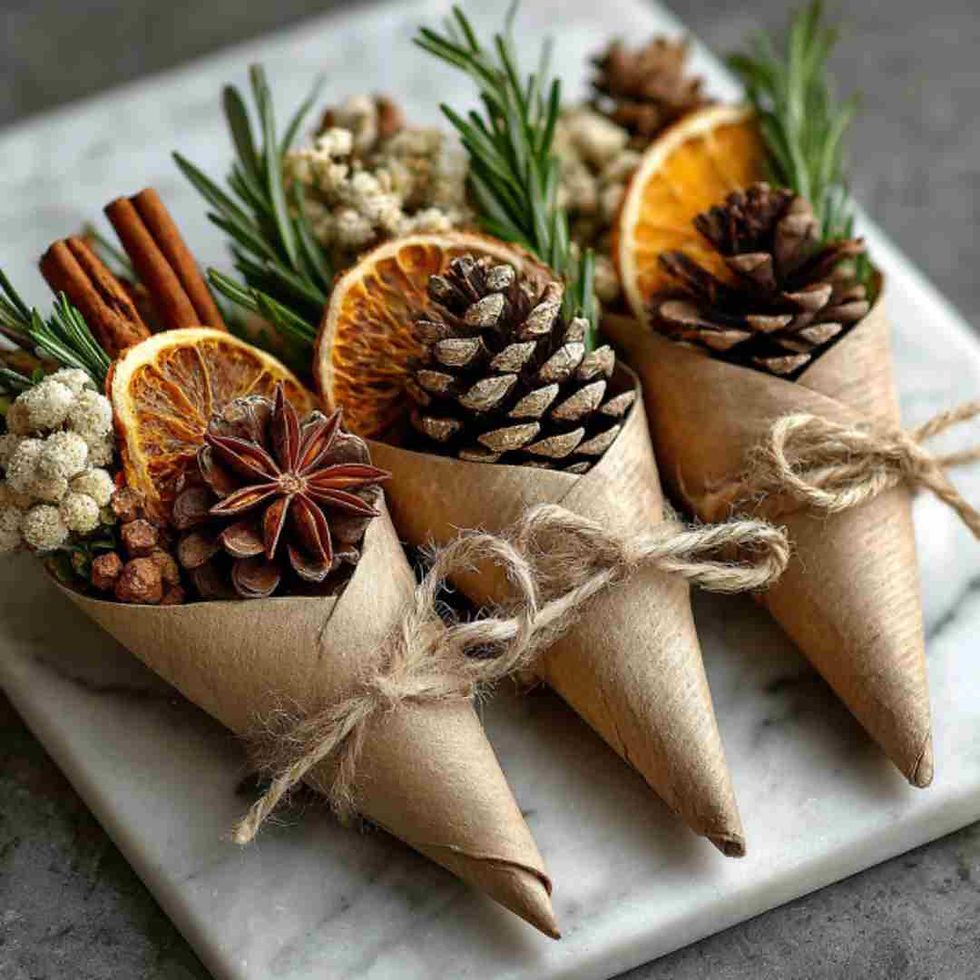
Prefer a paper version? Try DIY Aromatic Firestarters in Rustic Paper Cones for a method that uses kraft paper as both the container and the wick.
FAQs
1. Can I make wax fire starters in silicone candle moulds?
Yes. Silicone candle moulds work well as temporary forms, but only pour a shallow layer of wax into the bottom. You are making a small wax base for the botanical bundle, not a full candle.
2. Is beeswax or soy wax better for fire starters?
Both can work. Beeswax makes a firm, sturdy base, while soy wax is a useful vegan-friendly alternative. Whichever you choose, use only the amount needed to bind the dried material.
3. How much wax should I use?
Start with around 1–2 cm in the bottom of the mould, and use less if the mould is small. A shallow base is usually enough to secure the stems and support ignition.
4. Do wax fire starters need a wick?
Not necessarily. Dry lavender stems and other fine botanicals can provide an easy point to light. A short tail of natural twine or hemp wick can make lighting more convenient, but it is optional.
5. Can I use fresh lavender?
No. Let lavender dry completely before using it in a fire starter. Fresh plant material contains moisture, which makes it difficult to burn cleanly and consistently.
A Simple Way to Use Dried Botanicals
This method is a lovely way to turn dried lavender, rosemary and other seasonal cuttings into something practical. Keep the ingredients simple, the wax base shallow and the botanicals thoroughly dry, and you have a compact handmade fire starter that is useful throughout the colder months.


Comments