How to Use Botanical Fruit and Vegetable Powders to Add Natural Colour to Winter Cooking
- Astrid van Essen
- Dec 27, 2025
- 5 min read

It's that time of year again, isn't it? January will roll into February, and while there's a certain charm to cosy evenings and frosty mornings, sometimes the relentless grey skies and damp weather can really start to get you down. My garden might be sleeping, and the vibrant colours of summer feel like a distant memory, but that doesn't mean our kitchens have to follow suit!
I've been on a mission lately to find ways to bring a little burst of joy and brightness into my daily routine, and I’ve discovered the most delightful secret weapon: natural botanical fruit and vegetable powders! Forget artificial dyes and complicated concoctions; with just a couple of spoonfuls of beetroot powder and spirulina, you can transform everyday meals into vibrant works of art that are as good for your soul as they are for your body.
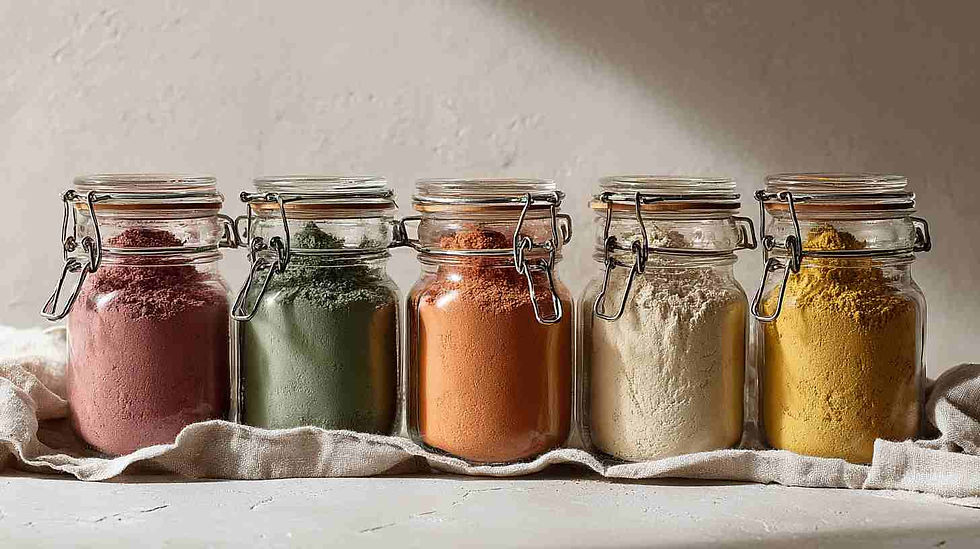
These incredible powders are not only packed with nutrients, but they also offer an amazing spectrum of natural hues – from vivid fuchsia and rosy pinks to deep forest greens and mesmerising teals. It’s like having a painter’s palette right in your spice rack! And the best part? They're incredibly easy to use.
So, if you’re ready to counter the winter drabness with a splash of edible sunshine, grab your apron! I’ve put together three of my favourite, simple recipes that will have your life and your kitchen blooming with colour in no time.
Recipe 1: Ruby Red Velvet Porridge
Start your day with a comforting bowl of warmth that looks like a dream! This porridge is subtly sweet, wonderfully creamy, and boasts a stunning ruby hue that will make you smile, even before your first coffee.
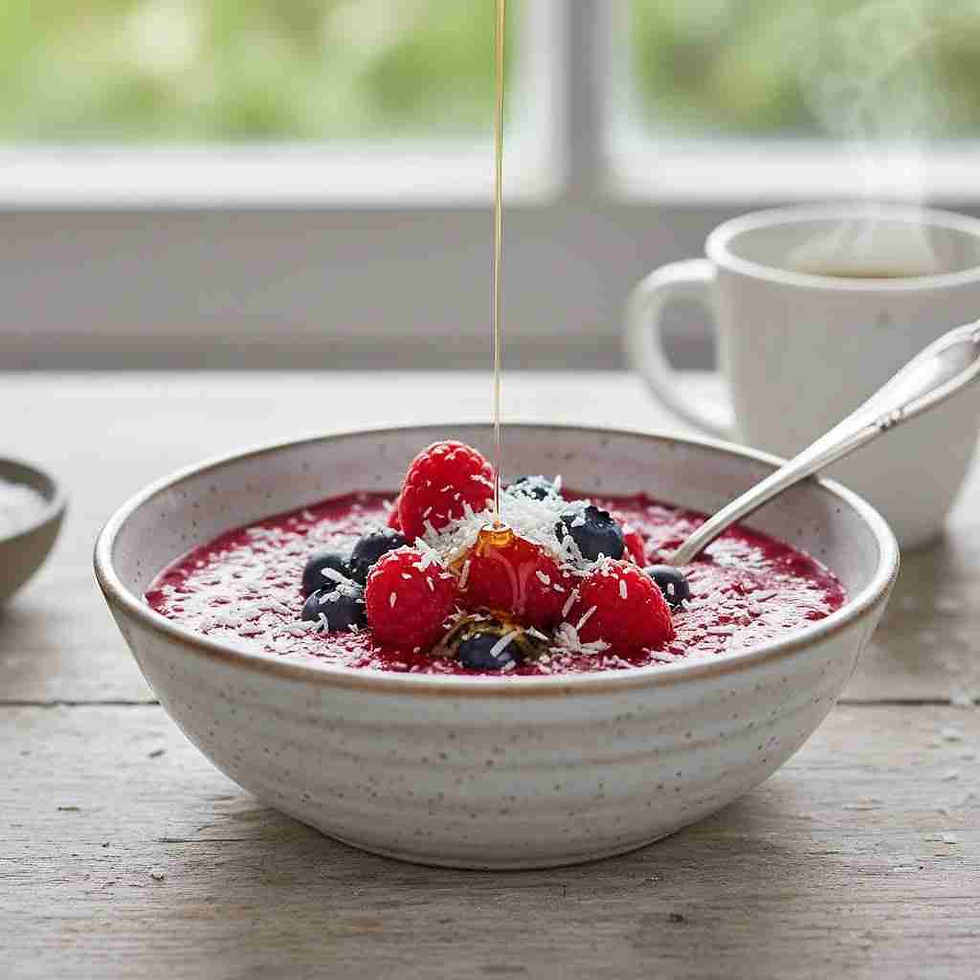
Yields: 1 serving Prep time: 2 minutes Cook time: 5-7 minutes
Ingredients:
50g rolled oats
300ml plant-based milk (almond or oat milk work beautifully)
1/2 - 1 tsp beetroot powder (start with less, add more for desired intensity)
1 tbsp maple syrup or agave nectar (adjust to your sweetness preference)
Pinch of vanilla extract
Optional Toppings: Fresh berries, shredded coconut, a drizzle of extra maple syrup
Instructions:
In a small saucepan, combine the oats, plant-based milk, beetroot powder, maple syrup, and vanilla extract.
Stir well to ensure the beetroot powder is fully dissolved and there are no lumps.
Place the saucepan over a medium heat and bring to a gentle simmer, stirring frequently.
Continue to cook for 5-7 minutes, or until the porridge has thickened to your desired consistency.
Pour into a bowl and adorn with your favourite toppings. Serve immediately and enjoy your colourful start to the day!
Recipe 2: Mermaid Green Smoothie Bowl
Dive into a refreshing and vibrant bowl that’s bursting with nutrients and a captivating teal hue. This smoothie bowl is thick, creamy, and feels like a little piece of the ocean in your kitchen.

Yields: 1 serving Prep time: 5 minutes
Ingredients:
1 large frozen banana, chopped
1/2 cup frozen pineapple chunks
1/4 cup plant-based milk (coconut milk makes it extra creamy)
1/2 - 1 tsp spirulina powder (start with less, add more for deeper colour)
1/2 tsp vanilla extract
Optional Toppings: Granola, chia seeds, fresh fruit slices, shredded coconut, edible flowers
Instructions:
In a high-speed blender, combine the frozen banana, frozen pineapple, plant-based milk, spirulina powder, and vanilla extract.
Blend on high until completely smooth and creamy. If it’s too thick, add another splash of milk, a tablespoon at a time, until you reach your desired consistency. Be careful not to add too much, or it won’t be a thick "bowl"!
Pour the gorgeous green mixture into a bowl.
Arrange your chosen toppings artfully on top. Snap a picture for Instagram, then tuck in!
Read more: Colourful Lattes for Every Mood
Recipe 3: Pink & Green Swirl Energy Balls
These little bites of joy are perfect for a mid-afternoon pick-me-up. They’re no-bake, easy to make, and offer a stunning visual swirl of pink and green, like tiny botanical art pieces!

Yields: Approx. 12-15 balls Prep time: 15 minutes Chill time: 30 minutes
Ingredients:
1 cup (150g) pitted Medjool dates
1 cup (100g) rolled oats
1/2 cup (60g) raw cashews
2 tbsp shredded coconut, plus extra for rolling
1 tbsp almond butter
1/2 tsp vanilla extract
1/2 tsp beetroot powder
1/2 tsp spirulina powder
Instructions:
In a food processor, combine the dates, oats, cashews, shredded coconut, almond butter, and vanilla extract.
Pulse until the mixture comes together and forms a sticky dough-like consistency. Be careful not to over-process.
Divide the mixture into two equal halves.
To one half, add the beetroot powder. Process again until the powder is fully incorporated and the mixture is uniformly pink.
To the second half, add the spirulina powder. Process again until the powder is fully incorporated and the mixture is uniformly green.
Now for the fun part! Take small pieces from both the pink and green doughs. Gently press them together and then roll them between your palms to form a ball, creating a lovely swirled effect.
If desired, roll the finished energy balls in a little extra shredded coconut.
Place the energy balls on a plate or tray lined with baking parchment and chill in the refrigerator for at least 30 minutes to firm up.
Store in an airtight container in the fridge for up to a week.
Read more: Natural Powder Pantry Guide
How to Use Botanical Fruit and Vegetable Powders Frequently Asked Questions
1. What are fruit and vegetable powders used for?
Fruit and vegetable powders are used to add natural colour, flavour, and gentle nutritional value to everyday cooking. They work well in smoothies, baking, pasta dough, sauces, lattes, and even savoury dishes such as soups or risottos.
2. Are botanical powders the same as natural food colouring?
Yes, botanical powders act as natural food colourings, but with added benefits. Unlike artificial dyes, they are made from whole fruits or vegetables that have been dried and finely ground, retaining some flavour and nutrients alongside colour.
3. How do you store homemade fruit and vegetable powders?
Store powders in airtight glass containers, away from light, heat, and moisture. Kept in a cool, dark cupboard, most powders will stay vibrant and usable for up to 6–12 months.
4. Do fruit and vegetable powders lose nutrients when dried?
Some heat-sensitive vitamins may reduce during drying, especially if high temperatures are used. However, many minerals, fibres, and plant compounds remain intact, making powders a convenient way to use whole produce with minimal waste.
5. Can botanical powders be used in savoury dishes as well as sweet ones?
Absolutely. Vegetable powders such as beetroot, spinach, carrot, or tomato are ideal for savoury recipes. They can be mixed into doughs, sprinkled into soups, blended into sauces, or used as natural colour boosters for homemade pasta or flatbreads.


Comments